

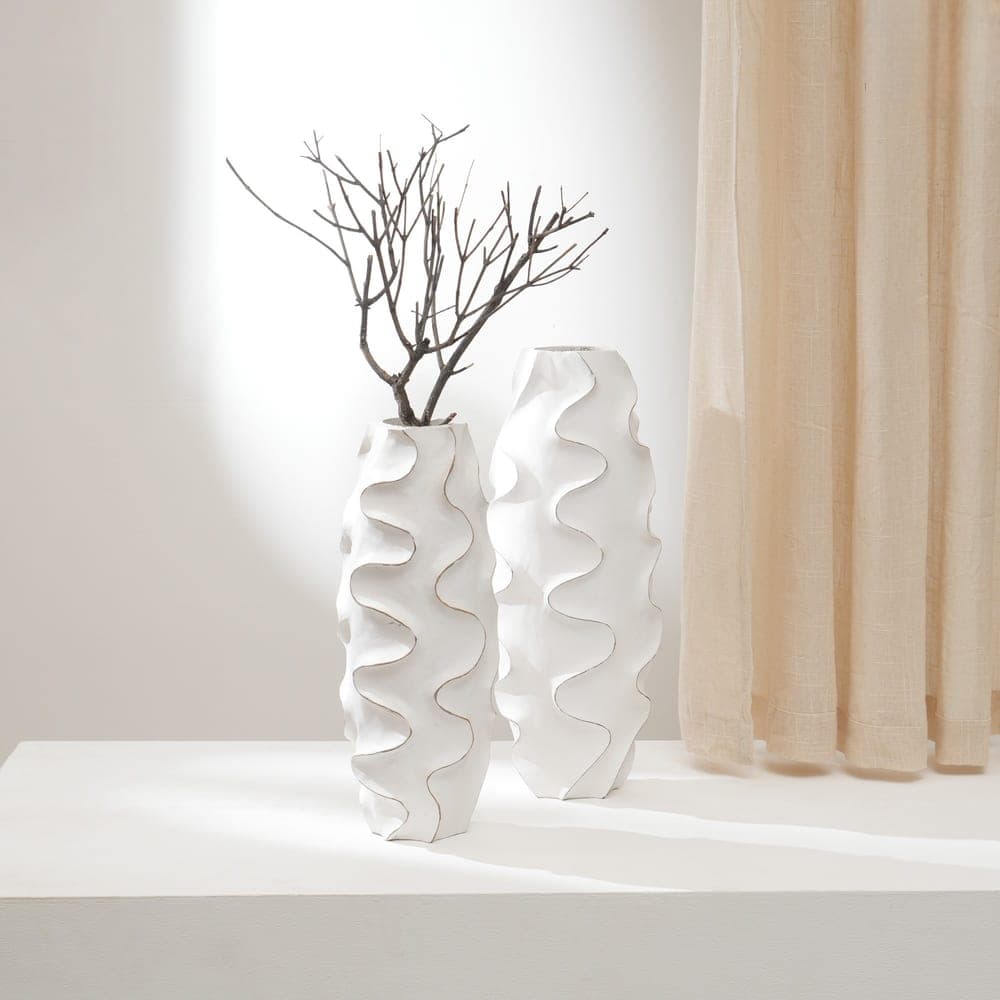
Wood Care
How to Care for Your Mango Wood Furniture
Your mango wood piece is not just an object — it is a slice of a living material that grew for years before it ever reached a carver's bench. Treated well, it only deepens in character: the grain glows richer, the surface gathers a quiet patina, and small marks become part of its story rather than flaws in it.
The good news is that mango wood is forgiving. It does not demand a complicated routine. It asks for a few sensible habits and a little attention through the seasons. Here is everything we tell customers who want their piece to last decades, not years.
Why mango wood behaves the way it does
Mango is a dense hardwood with a tight, interlocking grain. That density is what gives it heft and durability — but it also means the wood holds onto moisture and reacts to its environment. Wood is hygroscopic: it draws in humidity when the air is damp and releases it when the air is dry. As it does, it expands and contracts very slightly.
This is completely normal. It is also why the two enemies of any wooden piece are sudden changes — a swing from humid to bone-dry, or a wet ring left to soak in overnight.
The one-line rule
Keep it out of direct sun, wipe up spills quickly, and feed it a little oil now and then. Do those three things and the rest is detail.
Everyday care
Dusting
Dust with a soft, dry or very slightly damp microfibre cloth. Wipe along the grain, not against it — this lifts dust out of the pores instead of pressing it in. Avoid the all-purpose sprays sold for laminate furniture; the silicones and ammonia in them build up a dull film and can interfere with re-oiling later.
Spills and water
Mango wood handles the occasional splash, but standing water is the thing to watch. Blot spills as soon as you notice them. For anything that sits directly on the surface — a glass, a planter, a hot cup — use a coaster or a small mat. A felt pad under a vase does the same quiet work.
Light and heat
Direct, sustained sunlight will gradually lighten the wood and can dry it to the point of fine surface cracks. Keep pieces a little away from south-facing windows, and rotate decorative items every few months so they age evenly. Likewise, keep wood away from radiators, heating vents, and the back of appliances that run warm.
The seasonal feed
This is the step most people skip — and the one that makes the biggest difference.
Two to four times a year, give the piece a feed of food-safe wood oil or a wood conditioner. This replaces the natural oils that slowly leave the wood and keeps the grain from drying out.
- Clean the surface and let it dry completely.
- Apply a thin, even coat of oil with a lint-free cloth, working along the grain.
- Let it soak in for 15–20 minutes.
- Buff off any excess with a clean cloth. There should be no sticky residue — if there is, you used too much.
For the kitchen pieces — bowls, boards, trays — use food-grade mineral oil or a beeswax-and-oil blend. For purely decorative pieces, a quality furniture oil is fine. We go deeper on the oil-versus-wax question in our guide to oiling vs. waxing, but for most homes a simple oil routine is all you will ever need.
Wood that is fed looks alive. Wood that is starved looks tired. The difference is twenty minutes, a few times a year.
Handling humidity in Indian homes
India's climate swings hard — a humid monsoon followed by a dry winter is a real test for any hardwood. A few adjustments help:
- Monsoon: Keep rooms ventilated and avoid pushing wooden pieces flush against an outside wall that may sweat. A silica sachet tucked discreetly into a closed cabinet helps.
- Peak summer / dry winter: This is when the wood loses moisture fastest. Move up your oiling schedule slightly, and keep pieces away from coolers and heaters.
Fixing the small stuff
- Water rings or dull patches: Often these are in the finish, not the wood. A light re-oil usually lifts them.
- Minor scratches: Rub a little oil into the scratch with your fingertip; it will darken and blend the mark.
- A loose joint or wobble: Don't force it. Reach out to us — most joinery issues are an easy fix and we would rather guide you than have you reach for the superglue.
A piece that grows with you
The whole point of buying handcrafted wood is that it is meant to stay. With this routine, the vase on your shelf or the tray on your table will not just survive the years — it will get better through them, picking up the soft, lived-in glow that only real wood and a little care can produce.
If you are starting fresh, our mango wood collection is a good place to begin — each piece arrives finished and ready, with a care card in the box. New to styling wood at home? Our guide to warm minimalism is a good next read.
Written by
Aarav Mehta
Studio Lead, Designer Library
Aarav works alongside our master carvers and writes about keeping handcrafted wood beautiful for the long run.
Keep Reading
All articles →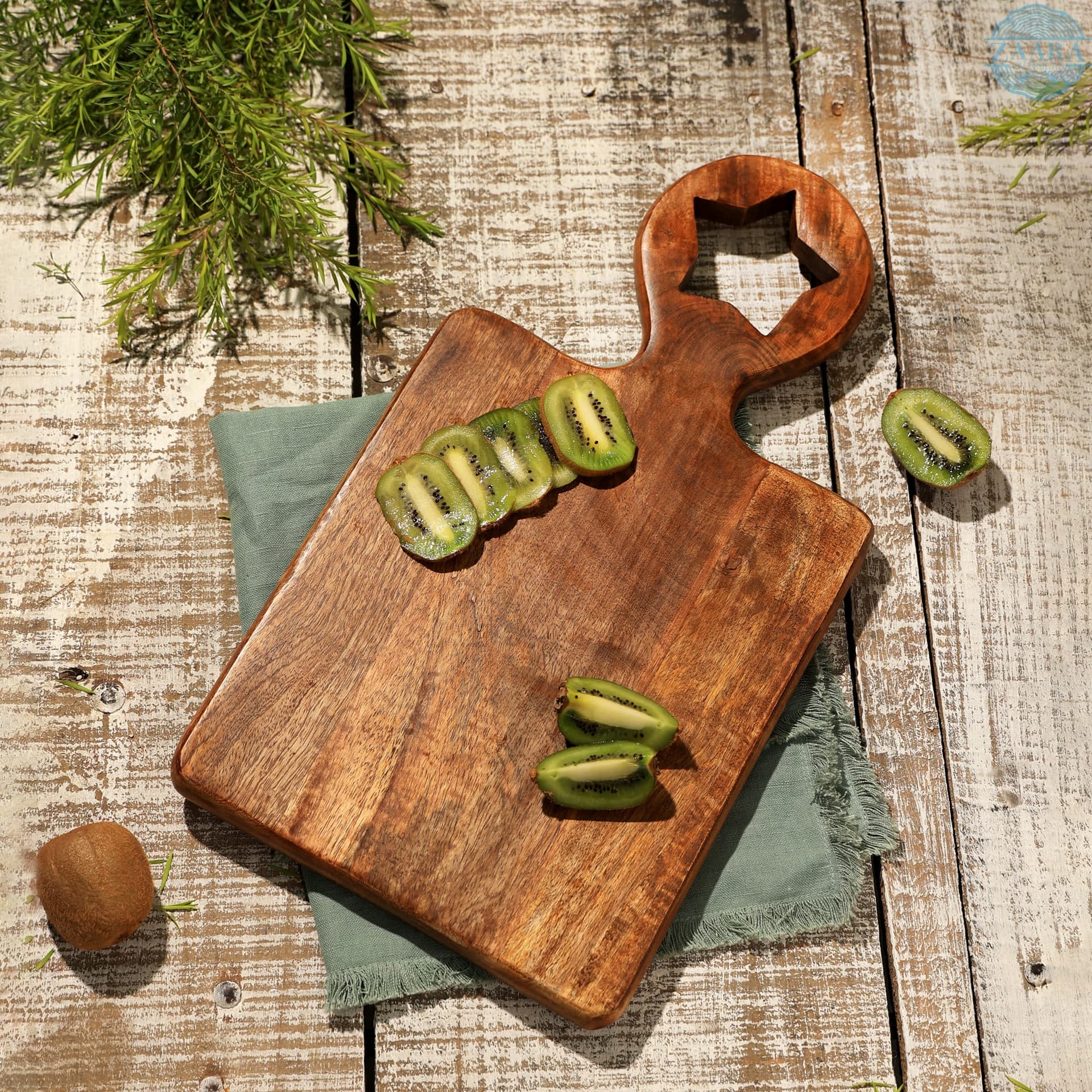
5 min read · 10 Apr 2026
Oiling vs. Waxing: Finishing Your Wooden Décor the Right Way
Oil or wax? The two finishes do different jobs, and choosing wrong can leave your piece dull or sticky. Here is how to pick — and how to apply each.
Read article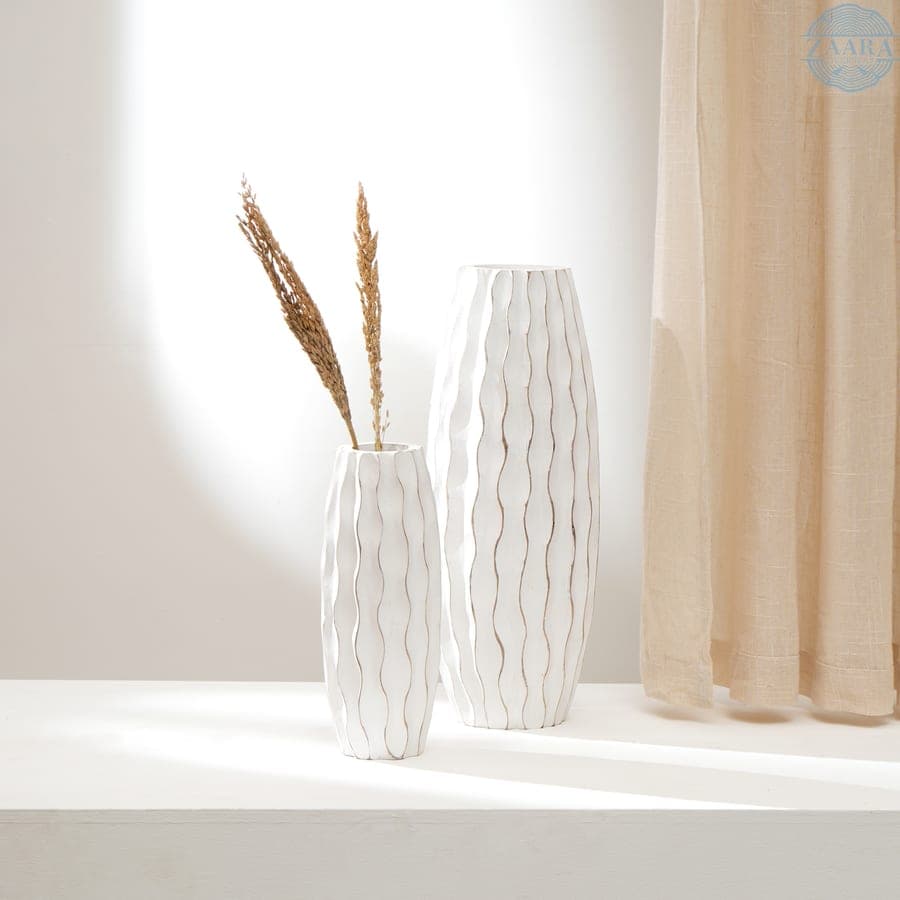
4 min read · 22 May 2026
5 Ways to Style a Wooden Vase in Any Room
A single handcrafted vase can anchor a whole room — or disappear into the clutter. Here are five ways to make yours the piece everyone notices.
Read article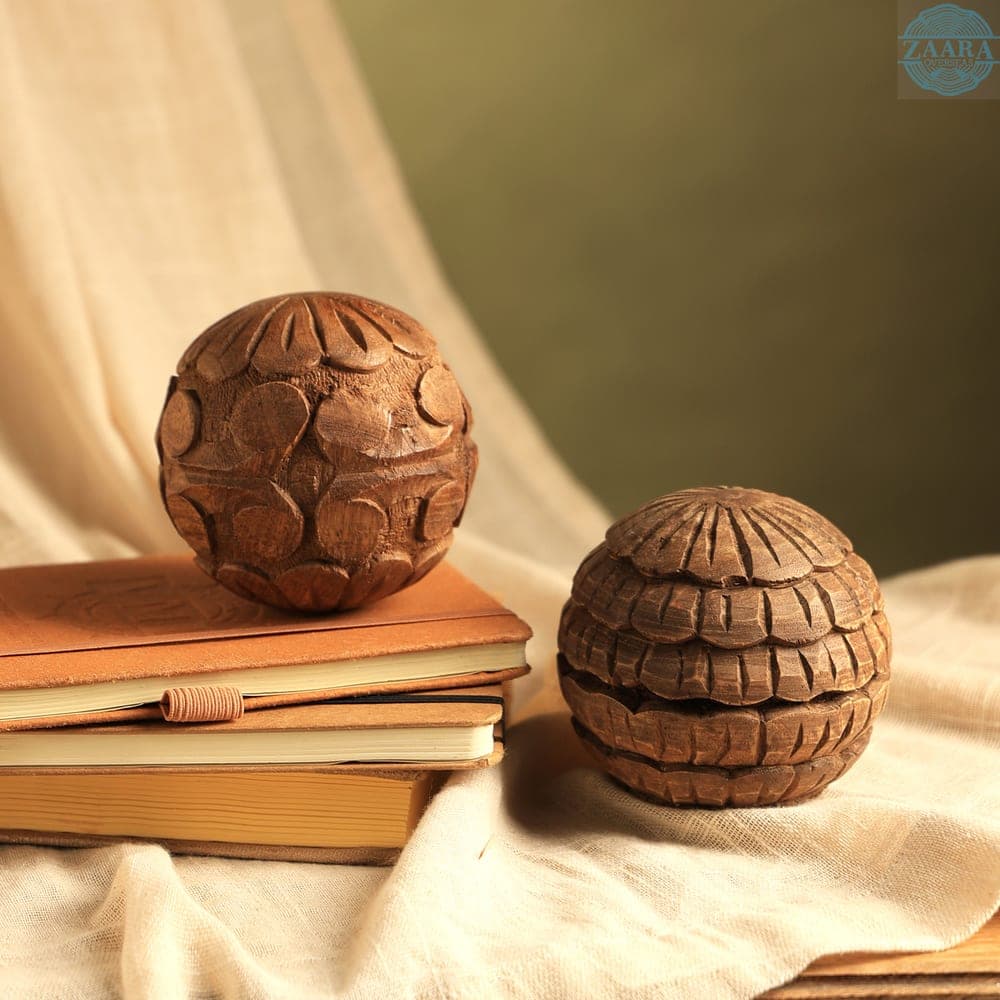
4 min read · 8 May 2026
Meet the Hands Behind Saharanpur's Wood Craft
For over four centuries, the carvers of Saharanpur have turned mango and sheesham into art. We spent a week in the workshops that make our pieces.
Read articleThe Craft Journal
Enjoyed this story?
Get wood-care guides, styling ideas, and artisan stories in your inbox — plus 10% off your first order.
No spam. Unsubscribe anytime. Privacy Policy