

Artisan Stories
Meet the Hands Behind Saharanpur's Wood Craft
There is a particular sound to a Saharanpur workshop in the morning. Before the chisels start, before the lathe spins up, there is the soft knock of wood being chosen — pieces lifted, turned over, tapped, set down or set aside. A carver knows good stock by feel and by sound long before the first cut.
Saharanpur, in western Uttar Pradesh, has been known as India's City of Wood Craft for more than four hundred years. The skill here is not taught in a classroom. It is handed down — from a father at a bench to a son at his shoulder, from a master to an apprentice who sweeps the floor for a year before he is allowed to hold a gouge.
A craft measured in generations
We spent a week with the families who make our pieces. The first thing you notice is that almost no one we met was the first in their family to do this work.
Mohammad Irfan, who turns and ribs our vases, learned at his grandfather's bench. "My grandfather made furniture for households that are gone now," he told us, running a thumb along a half-finished rim. "The houses changed. The wood did not. The hands did not."
That continuity is the quiet engine of the whole craft. A technique that takes a decade to truly master only survives because there is always a next pair of hands ready to spend that decade.
Why it matters
When you buy a handmade piece, you are not only paying for an object. You are keeping a four-hundred-year-old skill economically alive for one more generation.
From log to lathe
The journey of a single piece is longer than most people imagine.
Choosing and seasoning the wood
It begins with mango and sheesham, much of it sourced as a by-product of orchards that have stopped fruiting — wood that would otherwise be burned. The timber is cut and then seasoned, left to dry slowly for months so it releases its internal moisture gently. Rush this stage and the finished piece will crack later. There is no shortcut anyone has found in four centuries.
Turning and carving
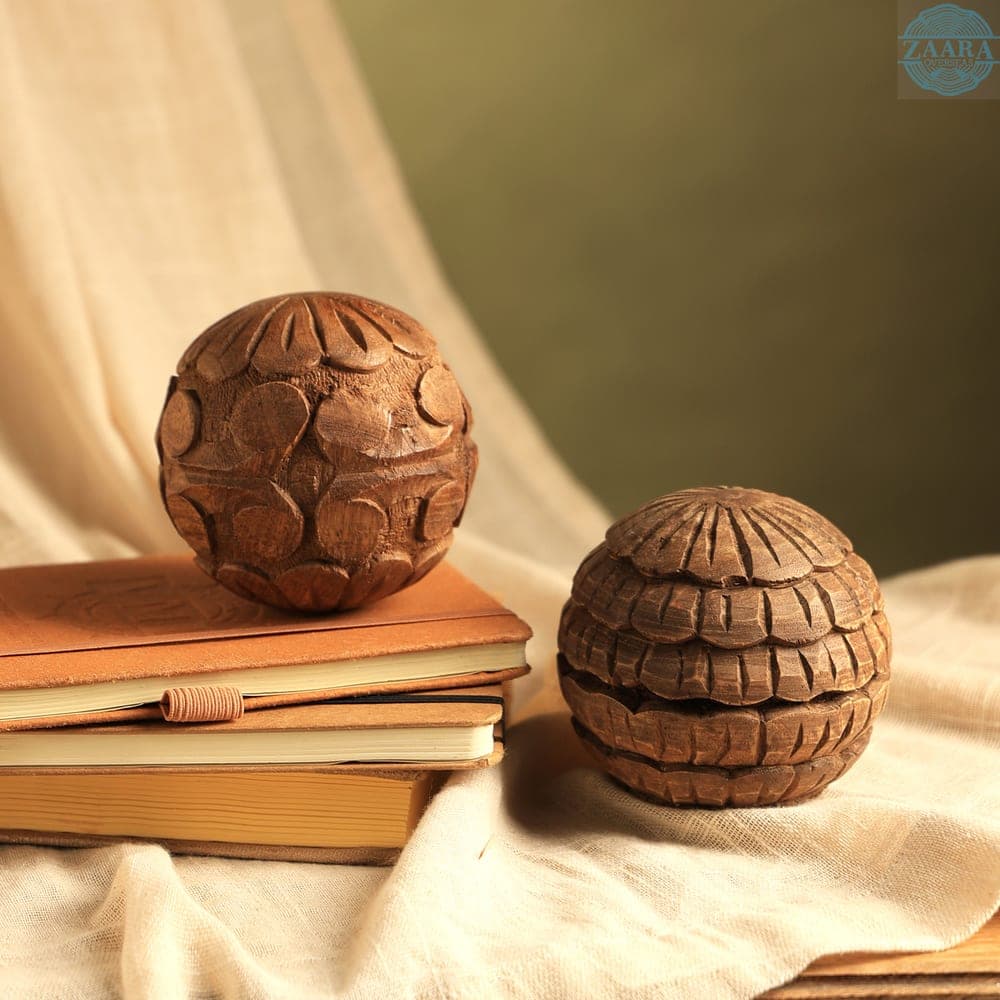
On the lathe, a rough block becomes a form in a matter of minutes in the hands of someone who has done it ten thousand times — and would become firewood in mine. Then comes the carving: the ribbing, the detail, the relief work that machines cannot replicate because each cut is judged by eye against the grain in front of it.
Finishing
Finally the piece is sanded through finer and finer grits until the surface is silk, then oiled or waxed by hand. This is where the grain you fell in love with online actually appears — it is hidden in raw, sanded wood and only blooms when the finish goes on.
"People ask why two vases are not identical," said Irfan. "I ask them — why are two trees not identical? We are only following what the wood already decided."
The challenge of staying
The craft is alive, but it is not without strain. Younger people are drawn to cities and steadier salaries. Cheap machine-made imports undercut handwork on price, and a customer scrolling quickly cannot always tell the difference in a photograph.
The artisans we met were clear-eyed about this. What keeps them at the bench is demand for the real thing — buyers who specifically want something made by a person, who understand that a slight irregularity is the signature of a hand and not a defect.
That is the whole reason Designer Library exists: to connect those buyers directly to these workshops, pay fairly for the time real craft takes, and tell the story honestly.
Carried in every grain
The next time you pick up one of our pieces, run your thumb along the rim the way Irfan does. Somewhere in that smooth curve is a morning in a Saharanpur workshop, a block of orchard wood chosen by sound, and a pair of hands that learned this at a grandfather's bench.
That is what you are bringing home. Explore the collection these hands make — and meet a little more of Saharanpur in your own living room. When your piece arrives, our mango wood care guide will help it last for generations.
Written by
Designer Library
The Craft Journal
Field notes and stories from the people and places behind every piece we make.
Keep Reading
All articles →
5 min read · 5 Jun 2026
How to Care for Your Mango Wood Furniture
Mango wood is dense, warm, and built to last generations — if you treat it right. Here is the simple care routine our master artisans swear by.
Read article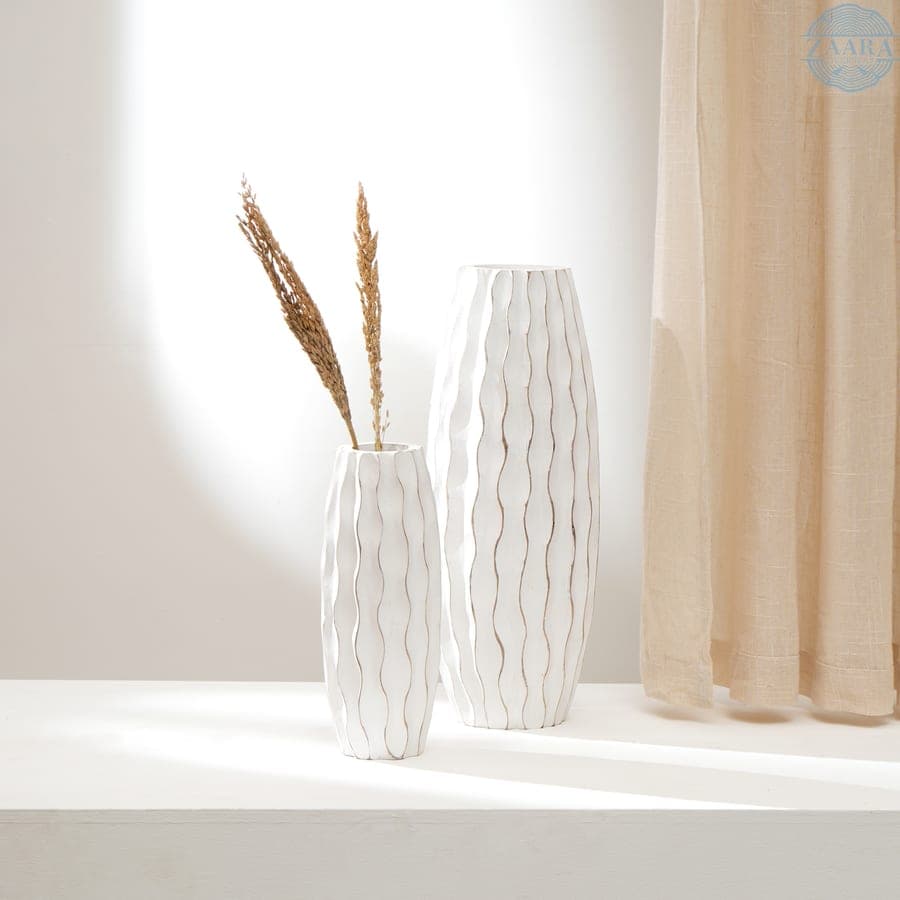
4 min read · 22 May 2026
5 Ways to Style a Wooden Vase in Any Room
A single handcrafted vase can anchor a whole room — or disappear into the clutter. Here are five ways to make yours the piece everyone notices.
Read article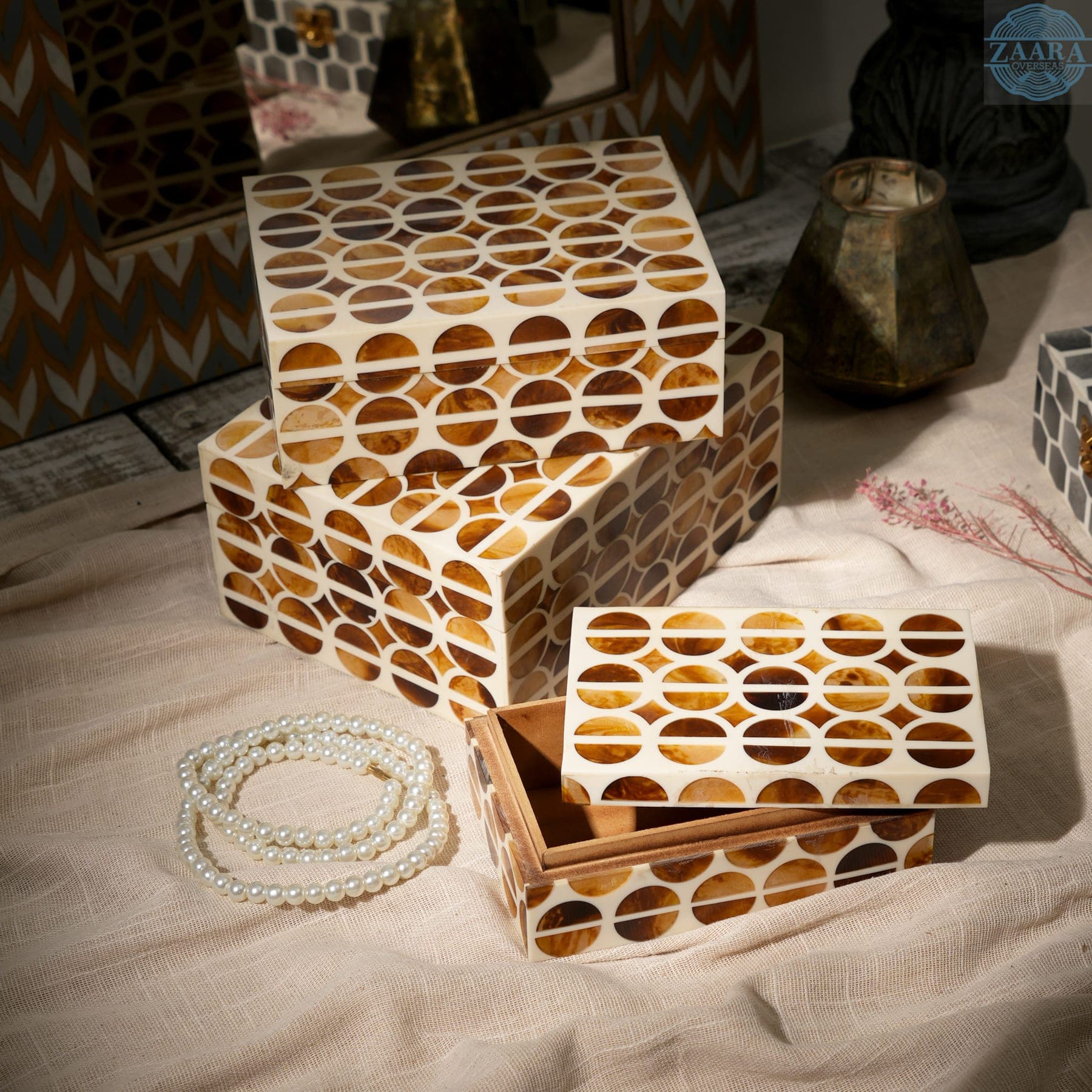
4 min read · 24 Apr 2026
The Considered Gift Guide: Handcrafted Wood for Every Occasion
Skip the forgettable present. A handcrafted wooden piece is the rare gift that gets used, kept, and remembered. Here is how to choose the right one.
Read articleThe Craft Journal
Enjoyed this story?
Get wood-care guides, styling ideas, and artisan stories in your inbox — plus 10% off your first order.
No spam. Unsubscribe anytime. Privacy Policy